Heart Strong, Life Longer: My Real Talk on Bouncing Back with Better Heart Health
You know that sluggish feeling when even climbing stairs feels like a workout? I’ve been there—post-illness, post-stress, just off. But what if I told you your heart isn’t just pumping blood—it’s responding to every choice you make? After my own dip in energy and stamina, I dug into how to genuinely support cardiovascular recovery. This isn’t about extreme fixes. It’s about smart, sustainable shifts that actually stick—and yes, I tested them all. What I discovered wasn’t a miracle cure, but something far more powerful: a way to listen to my body, honor its limits, and rebuild strength from the inside out. And the best part? You can do it too.
The Wake-Up Call: When Your Body Says “Slow Down”
It often starts subtly—a slight shortness of breath while folding laundry, a heaviness in the chest when walking up a hill, or a fatigue that sleep doesn’t fix. These signs are easy to brush off, especially for women in their 30s to 50s who are used to juggling work, family, and endless responsibilities. But persistent low energy, unexplained fatigue, or difficulty catching your breath during routine activities aren’t just signs of being “busy.” They can be early warnings from your cardiovascular system.
Many people assume heart issues only show up with dramatic symptoms like chest pain or sudden dizziness. In reality, the body often sends quieter signals long before a crisis occurs. After recovering from a prolonged illness, I noticed I couldn’t walk to the end of my driveway without feeling winded. At first, I told myself it was just the aftereffects. But when weeks turned into months, I realized something deeper was at play. Research shows that lingering fatigue after illness—especially viral infections—can reflect cardiovascular strain, where the heart and blood vessels need time and support to regain optimal function.
For many, the wake-up call comes too late. But it doesn’t have to. Recognizing these subtle shifts—feeling unusually tired, having trouble concentrating, or noticing your heart racing during light activity—can prompt earlier intervention. Recovery isn’t just about healing from a diagnosis; it’s about responding to your body’s cues before major damage occurs. By paying attention to these early signs, I was able to take action not out of fear, but out of care. And that made all the difference.
Heart Health 101: Why Recovery Isn’t Just Rest
The heart is a muscle, and like any muscle, it responds to use, stress, and recovery. But unlike the biceps or legs, you can’t see it working. That invisibility makes it easy to overlook its needs. Cardiovascular recovery isn’t simply about lying down more—it’s an active process involving improved circulation, reduced inflammation, and better regulation of the nervous system. When the heart is under strain, whether from illness, stress, or inactivity, these systems become imbalanced. Healing means restoring that balance through consistent, supportive habits.
One key aspect of heart recovery is endothelial repair. The endothelium is the thin layer of cells lining your blood vessels. It plays a crucial role in controlling blood flow, blood pressure, and inflammation. When stressed—by high blood pressure, poor diet, or chronic stress—this lining can become damaged, making it harder for blood to move smoothly. Over time, this contributes to stiffness in the arteries and increased risk of cardiovascular events. But the good news is that the endothelium can heal. Studies show that lifestyle changes like regular movement, a nutrient-rich diet, and stress management can improve endothelial function within weeks.
Another critical factor is autonomic balance—the interplay between the sympathetic (fight-or-flight) and parasympathetic (rest-and-digest) branches of the nervous system. Chronic stress keeps the sympathetic system overactive, which increases heart rate and blood pressure. Recovery involves shifting the balance back toward the parasympathetic side, allowing the heart to operate more efficiently. This isn’t passive; it requires intentional choices that signal safety to the body. Every walk in nature, every deep breath, every good night’s sleep sends a message: it’s okay to slow down. And over time, the heart listens.
Move Smarter, Not Harder: Gentle Exercise That Actually Helps
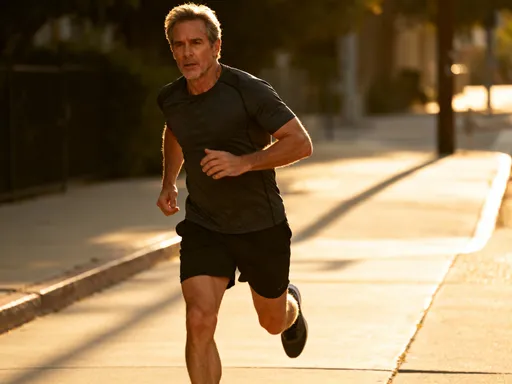
When I first tried to get active again, I made the mistake of pushing too hard. I thought if I just walked faster or longer, I’d bounce back quicker. Instead, I felt worse—more tired, more sore, more discouraged. That’s when I learned a crucial lesson: after illness or prolonged stress, the heart doesn’t need intensity. It needs consistency, rhythm, and gradual progression. The most effective exercise during recovery isn’t about burning calories—it’s about improving circulation, building endurance gently, and retraining the body to move with ease.
I started with just ten minutes of walking each day. No goals, no tracking, no pressure. Just putting one foot in front of the other. Within a few weeks, I added short sessions of tai chi in the backyard. This slow, flowing movement helped me reconnect with my breath and body. Research supports this approach: low-impact activities like walking, tai chi, and light resistance training improve cardiovascular function without overloading the heart. These forms of exercise enhance blood flow, support vascular health, and increase oxygen delivery—all essential for recovery.
Resistance bands became another key tool. Unlike heavy weights, they offer gentle resistance that builds strength without spiking heart rate. I used them for simple upper and lower body exercises three times a week. Over time, I noticed my stamina improving. I could walk farther, carry groceries more easily, and felt less breathless during daily tasks. The real shift wasn’t in numbers on a scale or a fitness tracker—it was in how I felt in my body. Consistency, not intensity, became my mantra. And that small, daily commitment laid the foundation for lasting heart health.
Food as Fuel: What I Ate to Feel More Alive
Nutrition played a bigger role in my recovery than I ever expected. I didn’t go on a diet—no strict rules, no calorie counting. Instead, I focused on adding more nourishing foods and reducing those that加重 inflammation. The goal wasn’t weight loss, but energy restoration and heart support. What I discovered was that food isn’t just fuel—it’s information. Every bite sends signals to your cells about what kind of environment they’re in.
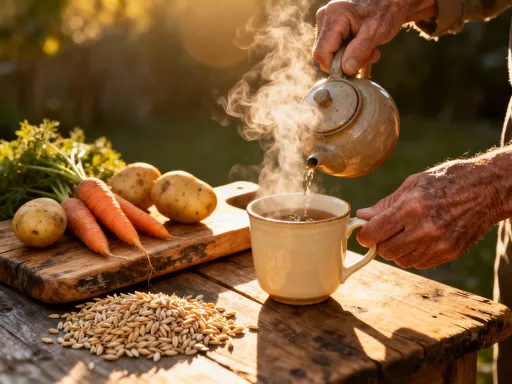
I began by increasing my intake of whole, plant-based foods. Leafy greens, berries, oats, beans, and nuts became staples. These foods are rich in fiber, antioxidants, and heart-protective compounds. For example, soluble fiber from oats and beans helps lower LDL cholesterol, while antioxidants in berries reduce oxidative stress in the arteries. I also made peace with healthy fats. After years of avoiding fat, I learned that omega-3 fatty acids—found in fatty fish, flaxseeds, and walnuts—are essential for reducing inflammation and supporting blood vessel health.
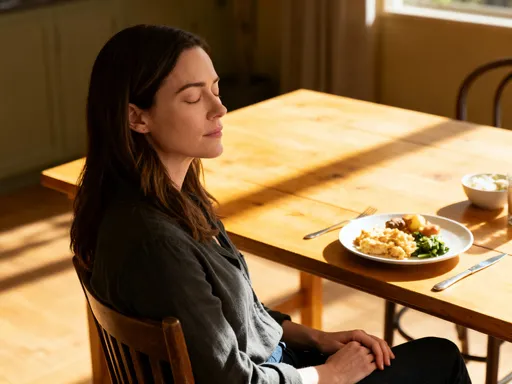
Simple swaps made a big difference. I replaced butter with avocado on toast, swapped sugary snacks for fruit and nuts, and chose grilled salmon over processed meats. I also reduced my intake of refined carbohydrates and added sugars, which are linked to increased inflammation and insulin resistance—both risk factors for heart issues. Drinking more water and herbal teas helped with hydration and digestion. Over time, these changes weren’t about restriction—they became natural habits that made me feel lighter, clearer, and more energized. My heart wasn’t just surviving; it was thriving.
Stress Isn’t Just in Your Head—It’s in Your Arteries
One of the most surprising truths I learned is that emotional stress doesn’t just affect your mood—it directly impacts your heart. When you’re under chronic stress, your body releases cortisol and adrenaline, hormones that increase heart rate and blood pressure. In the short term, this is helpful. But when stress becomes constant, these hormones keep your cardiovascular system in overdrive, leading to wear and tear on the heart and blood vessels.
I used to think I was “handling” stress well. I was getting things done, checking off lists, keeping the household running. But my body was paying the price. My resting heart rate was elevated, I had trouble sleeping, and I often felt on edge. That’s when I realized that managing stress wasn’t a luxury—it was a necessity for heart recovery. I began incorporating science-backed relaxation techniques into my daily routine.
Deep breathing became my go-to tool. Just five minutes of slow, diaphragmatic breathing—inhaling through the nose for four counts, holding for four, exhaling for six—helped activate my parasympathetic nervous system. I also made time to be in nature, even if it was just sitting in the garden or walking through a park. Studies show that spending time in green spaces lowers cortisol levels and improves heart rate variability, a marker of heart resilience. I also implemented a digital detox an hour before bed, turning off screens and creating space for quiet reflection. Over several weeks, I noticed my resting heart rate dropped, my sleep improved, and I felt calmer overall. Stress didn’t disappear—but my body’s response to it changed.
Sleep: The Silent Heart Healer You’re Missing
If there’s one habit that transformed my recovery, it was prioritizing sleep. I used to treat sleep as a reward—something I’d get to after everything else was done. But I learned that sleep isn’t passive downtime; it’s an active period of repair. During deep sleep, your body repairs blood vessels, regulates blood pressure, and balances hormones like cortisol and melatonin. Poor sleep disrupts all of this, increasing the risk of hypertension, inflammation, and insulin resistance—each a contributor to heart strain.
My sleep wasn’t terrible, but it wasn’t restorative. I’d wake up tired, even after eight hours. So I focused on improving sleep quality, not just quantity. I established a consistent bedtime and wake-up time, even on weekends. I created a wind-down ritual: turning off screens by 9 p.m., sipping chamomile tea, and reading a book under soft light. I also made my bedroom a sleep sanctuary—cool, dark, and quiet, with no electronics.
Within a few weeks, I began waking up feeling more refreshed. My energy levels stabilized, and I noticed my mood improved. Research confirms that consistent, high-quality sleep supports heart health by reducing sympathetic nervous system activity and improving glucose metabolism. One study found that adults who sleep less than six hours per night have a significantly higher risk of cardiovascular events. By treating sleep as non-negotiable, I gave my heart the nightly reset it needed. It wasn’t glamorous, but it was powerful.
Tracking Progress: Small Wins That Add Up
Recovery isn’t linear. There were days when I felt worse, when progress seemed invisible. That’s why tracking subtle changes became so important. I didn’t focus on the scale. Instead, I paid attention to non-scale victories: walking up a flight of stairs without stopping, feeling less anxious in the morning, or noticing my resting heart rate slowly decline. These small wins kept me going when motivation dipped.
I started a simple journal, noting how I felt each day—energy levels, mood, sleep quality, and physical symptoms. I also used a wearable device to track basic metrics like resting heart rate and sleep patterns. This wasn’t about obsession, but awareness. Seeing a downward trend in my resting heart rate over several weeks gave me tangible proof that my efforts were working. It reminded me that healing was happening, even when I couldn’t feel it.
But I also learned when to seek professional guidance. When I had persistent symptoms or questions, I consulted my doctor. Self-monitoring works best when paired with medical care. My doctor checked my blood pressure, reviewed my progress, and offered encouragement. That partnership—between personal effort and professional support—was key. Recovery isn’t something you do alone. It’s a collaboration between you, your body, and your healthcare team.
A Heart Worth Protecting—Every Single Day
Looking back, my journey wasn’t about one dramatic change. It was about dozens of small, consistent choices—choosing a walk over scrolling, opting for vegetables over processed snacks, breathing deeply instead of reacting in stress. These choices didn’t fix everything overnight, but they rebuilt my strength, one day at a time. Heart recovery isn’t a destination; it’s a daily practice of self-respect and care.
What I’ve learned is that heart health isn’t just for those with a diagnosis. It’s for anyone who wants to feel more alive, more present, more capable. It’s about listening to your body, honoring its signals, and responding with kindness. The heart is resilient, but it needs support. And that support comes from the quiet, everyday decisions we make.
Protecting your heart isn’t about perfection. It’s about showing up, again and again, with small acts of courage and care. Whether you’re recovering from illness, managing stress, or simply wanting to feel better, know this: your heart is worth protecting. And every step you take—no matter how small—is a step toward a stronger, longer, more vibrant life.