After Tracking 50 Volunteer Hours, This App Finally Made Health Monitoring Effortless
Have you ever volunteered your time and energy, only to forget how it impacted your own well-being? I used to lose track of my health progress while helping others—until I found a simple tool that changed everything. It quietly logs my activity, reminds me to rest, and shows how giving back actually boosts my energy. This isn’t about fancy tech or complicated data—it’s about staying healthy *while* doing good, without the stress. I didn’t realize how much I was neglecting myself until the numbers gently whispered, 'You’ve been on your feet for five hours. When was the last time you sat down?'
The Hidden Cost of Giving: When Helping Others Hurts Your Health
Let’s be honest—when we volunteer, we often put everyone else first. We show up early, stay late, carry heavy boxes, stand through long shifts, and push through headaches just to keep going. I remember helping organize a weekend food drive, excited to support families in need. I skipped lunch twice, drank barely any water, and by Sunday evening, I could barely walk. My back ached, my head throbbed, and I felt emotionally drained. But here’s the thing: no one asked how I was doing. And honestly, I didn’t either. That moment hit me hard. I was so focused on serving others that I forgot to serve myself.
This isn’t an isolated story. So many of us—especially women in our 30s, 40s, and 50s—wear our busyness like a badge of honor. We’re the organizers, the listeners, the ones who bring soup when someone’s sick. But somewhere along the way, our own needs slip through the cracks. We ignore joint pain from hours of gardening at a community center. We brush off fatigue after mentoring teens at the local youth program. We tell ourselves, 'It’s just for a few hours,' but those hours add up. Over time, the wear and tear isn’t just physical—it’s emotional. We start to feel invisible, even when we’re doing meaningful work.
What’s harder to admit is that this pattern doesn’t just hurt us—it can hurt the causes we care about. When we burn out, we step back. We miss shifts. We become less present. And eventually, the very service we love becomes a burden. That’s the hidden cost of giving: when we don’t care for ourselves, our ability to care for others fades. But it doesn’t have to be this way. What if the same compassion we extend to others could be turned inward? What if we had a quiet, gentle way to stay aware of our own limits—without guilt, without judgment?
Why Most Health Apps Don’t Work for Volunteers
You’ve probably tried fitness trackers before. Maybe you’ve worn a smartwatch that counts your steps or monitors your heart rate. And yes, they’re helpful—if you’re jogging in the park or hitting the gym. But let’s talk about real life. When was the last time your volunteer shift looked like a workout routine? I remember chatting with a friend, Maria, who volunteers at a local animal shelter. She walks miles each day—cleaning cages, walking dogs, moving supplies. Her step count is through the roof. But her tracker only sees 'active minutes.' It doesn’t know she’s been on concrete floors for six hours, or that her knees have started to ache. It doesn’t remind her to sit, to stretch, or to hydrate.
That’s the problem with most health apps—they’re built for predictable routines, not the beautiful chaos of volunteer life. They don’t understand irregular hours, emotional labor, or the fact that 'activity' doesn’t always mean 'healthy.' Take Linda, who helps set up community events. She’s on her feet for hours, lifting tables, arranging chairs, solving last-minute problems. Her stress levels rise, but her fitness app only logs movement. It doesn’t ask, 'How are you really feeling?' It doesn’t notice when she skips a break because 'someone else needs help more.'
And then there’s the data overload. Some apps dump numbers on you—calories burned, sleep scores, heart rate zones—but none of it feels relevant. You’re not training for a marathon. You’re serving meals at a shelter or tutoring kids after school. You don’t need a performance report. You need support. You need someone—or something—that understands your rhythm. The truth is, most tech treats volunteer work as 'just activity,' missing the full picture: the emotional effort, the physical strain, the joy, and the exhaustion. That’s why so many of us give up on tracking. It doesn’t fit. It feels like one more thing to manage, not a tool to help us thrive.
The Right Tool for the Job: Finding a Smarter Health Companion
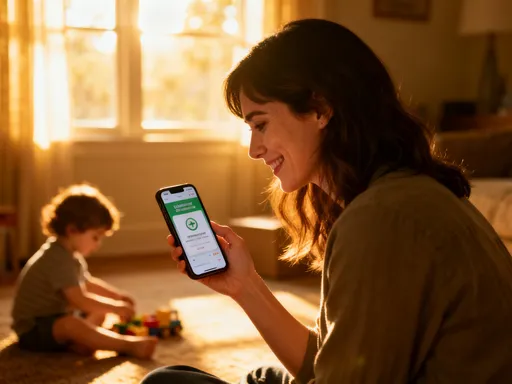
Everything changed when I discovered an app designed with people like us in mind—those who give their time, energy, and heart to their communities. This wasn’t another fitness dashboard. It felt more like a thoughtful friend who quietly checks in. At first, I was skeptical. Another app? Really? But this one didn’t ask me to log every meal or set aggressive goals. Instead, it learned from my routine. It noticed when I arrived at the community center every Thursday. It picked up on my movement patterns during shifts at the food pantry. And slowly, it started offering gentle nudges: 'You’ve been standing a lot today. How about a two-minute sit-down stretch?' or 'I see you’ve been busy—don’t forget to drink water.'
What made it different was its focus on context. It didn’t just count steps—it recognized why I was moving. Was I pacing while helping kids with homework? Was I lifting heavy bags during a donation drive? The app adapted. It didn’t treat volunteer hours like a workout. It treated them like real life. One of the most meaningful features was the mood check-in. At the end of each shift, it would ask, 'How are you feeling?' with simple options: energized, tired, emotional, proud. Over time, I started to see patterns. I realized that mentoring sessions left me emotionally full but physically drained. Sorting donations? That was calming, almost meditative. This wasn’t just data—it was self-awareness.
The 'aha' moment came after three weeks. I reviewed my weekly summary and saw a note: 'You’ve given 18 hours this week—amazing! But your rest breaks were below average. Try adding one extra sit-down break during your next shift.' I hadn’t even noticed. But when I followed the suggestion, I felt lighter, more focused. For the first time, I wasn’t just tracking health—I was protecting it. This app wasn’t about perfection. It was about presence. It reminded me that caring for myself wasn’t selfish—it was how I could keep showing up, week after week, with more joy and less strain.
How It Works: Seamless Tracking Without the Hassle
You might be wondering, 'How does it actually work?' And I get it—tech can feel overwhelming. But this app is designed to be invisible in the best way. It runs quietly in the background of your phone or syncs with a simple wearable—no complicated setup, no cables, no manuals. Once you tell it about your usual volunteer roles, it starts learning. It uses movement patterns, not GPS or constant monitoring, so your privacy stays protected. It doesn’t record conversations or track your location beyond general check-ins, like when you arrive at the community center or library.
Here’s how it feels in real life: Let’s say you’re helping at a weekend cleanup event. You arrive at 9 a.m., and the app gently notes your arrival based on your phone’s location (if you allow it) or a quick tap to 'start shift.' As you work—bending, lifting, walking—it detects prolonged standing or repetitive motions. After 90 minutes, a soft notification appears: 'You’ve been active for a while—how about a quick shoulder roll and a sip of water?' It’s not pushy. It’s kind. And because it learns your habits, it gets smarter. If you usually take a break at 10:30, it won’t bother you. But if you’re pushing through, it steps in.
Another feature I love is the end-of-shift reflection. When you finish volunteering, the app asks, 'How do you feel?' with emoji-style options. You tap one—maybe 'proud but tired'—and it saves the moment. Over time, it builds a picture of how different activities affect you. Did that afternoon at the senior center leave you energized? Did the noisy school event drain you? The insights aren’t technical. They’re human. And the best part? You don’t have to do anything extra. No logging, no manual entries. It’s all passive, gentle, and respectful of your time. It’s like having a quiet ally who says, 'I see you. Let me help you stay strong.'
Real Gains: More Energy, Fewer Aches, Better Moods
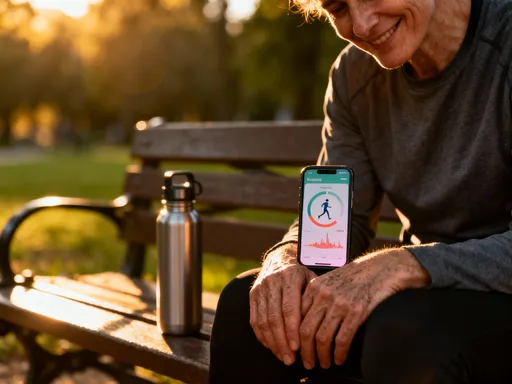
The changes didn’t happen overnight, but they were real. After a few weeks of using the app, I noticed I wasn’t dreading my volunteer days as much. I had more energy. I wasn’t crashing by 3 p.m. I started listening to the reminders—sitting down, stretching, drinking water—and my lower back pain, which had been a constant companion, began to fade. I even started sleeping better. It wasn’t magic. It was awareness. The app didn’t fix me. It helped me notice.
I’m not alone. I’ve talked to other volunteers who’ve used the same tool, and their stories are powerful. One woman, who helps at a women’s shelter, told me she used to ignore her migraines until they knocked her out for a day. Now, the app alerts her when she’s been in high-stress mode for too long—based on her movement and self-check-ins—and she takes a quiet moment to breathe. 'It’s like the app gives me permission to pause,' she said. Another volunteer, a retired teacher who tutors kids, found that her knee pain decreased because the app reminded her to alternate standing and sitting. 'I didn’t realize how much standing was hurting me until the app pointed it out,' she shared.
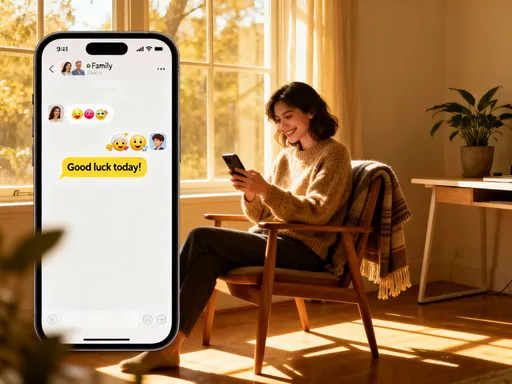
And it’s not just physical. The emotional benefits surprised me the most. Seeing a weekly summary that said, 'You made a difference this week—and you took care of yourself too,' made me feel seen in a way I hadn’t expected. It wasn’t just about health metrics. It was about balance. One friend started sharing her 'feelings log' with her daughter, who said, 'Mom, I didn’t know volunteering made you so tired. Can I come help you next time?' That small moment sparked a new family tradition. The app didn’t just improve her health—it deepened her relationships.
Balancing Care for Others and Care for Yourself
We’re taught that serving others is noble. And it is. But we’re rarely taught that caring for ourselves is just as important. For years, I felt guilty taking breaks during volunteer shifts. I thought, 'Someone else could use my time.' But here’s what I’ve learned: self-care isn’t selfish—it’s sustainable. When I rest, I serve better. When I listen to my body, I show up with more patience, more joy, more presence. The app didn’t make me care less about others. It helped me care for myself while caring for others.
That mindset shift changed everything. I started talking about it with other volunteers. At our monthly meeting, I mentioned how the app reminded me to sit down. To my surprise, three women raised their hands and said, 'I need that.' We started a little wellness check-in before each shift—just two minutes to share how we’re feeling. No pressure. No judgment. Just connection. One woman said, 'I always come in smiling, but today I’m exhausted. Thanks for asking.' That moment mattered. We weren’t just a team anymore. We were a community that cared—for each other and for ourselves.
This isn’t about adding more to your plate. It’s about protecting the light you already carry. You give so much—your time, your energy, your heart. But you’re not a machine. You’re a person with limits, and honoring those limits isn’t weakness. It’s wisdom. The right technology doesn’t replace human care—it supports it. It helps us stay strong, not just for today, but for the long haul. Because the causes we love need us—not burned out, not broken, but balanced, healthy, and whole.
Making It a Habit: Simple Steps to Start Today
If you’re thinking, 'This sounds great, but I don’t have time for another app,' I hear you. That’s exactly what I thought. The key is to start small. You don’t need to change everything at once. Try this: the next time you head to your volunteer site, open the app and tap 'Start Shift.' That’s it. No extra steps. Let it run in the background. At the end of the day, answer the mood check-in. Over time, it learns. You don’t have to be perfect. You don’t have to track every minute. Just let it be there, like a quiet companion.
Link it to something you already do. For example, I start the app when I put on my volunteer badge. It’s become part of my routine, like grabbing my water bottle or checking my schedule. If you’re worried about privacy, you can adjust the settings to limit location tracking or disable certain features. This is your tool—use it in a way that feels safe and comfortable. And consider sharing it with a friend. We started a little 'wellness buddy' system at our center. We check in with each other: 'Did you get a reminder to stretch today?' 'How are you feeling after that long shift?' It’s not about accountability—it’s about support.
Remember, this isn’t about adding another chore. It’s about making self-care effortless. The goal isn’t to track every second. It’s to stay aware, to pause when needed, and to honor your own well-being as much as you honor the work you do. You don’t have to volunteer less. You just have to volunteer smarter. And the beautiful part? When you feel better, you give better. Your kindness doesn’t shrink—it grows, because you’re no longer running on empty.
Health That Grows with Your Heart
Volunteering isn’t just something we do. It’s who we are. It’s the quiet strength of women who show up, again and again, to make their communities stronger. But strength isn’t just about endurance. It’s about balance. It’s about knowing when to lift others—and when to lift yourself up, too. This app didn’t change my purpose. It protected it. It helped me serve longer, love deeper, and stay healthier in the process.
True service isn’t about sacrifice. It’s about sustainability. It’s about showing up with a full heart and a healthy body. When we use tools that understand our lives—not just our steps or heartbeats—we reclaim our well-being in a way that feels natural, kind, and deeply personal. We don’t have to choose between helping others and helping ourselves. We can do both. And when we do, our impact multiplies.
So if you’ve ever felt worn down by doing good, know this: you’re not alone. And you don’t have to keep pushing through the pain. There’s a gentler way. A smarter way. A way that honors your compassion and your health. Because the world doesn’t just need your time. It needs you—rested, strong, and thriving. And with the right support, you can be exactly that: a woman who gives from abundance, not exhaustion. That’s not just good service. That’s self-respect in action. And that’s a legacy worth building.